It depends on the weight and size of your child, but also on the size in which your baby feels most comfortable. A rule of thumb states that there should always be about 2 fingers between the waistband and the tummy. In this way, you make sure that your baby has enough space even when there is gas. When a diaper fits well, it should appear straight and equally proportioned on your baby.
If the diaper slips, you should try a size smaller.
If the diaper fits tightly (your baby has red marks along their thighs) and moisture leaks out, it could be that the diaper is too small.

Compared to our GEGE diapers, our pants have an elastic diaper waistband, which ensures an ideal hold even for very active babies and enables a quick and easy diaper change.
Both diaper types are designed to meet the comfort and absorbency required by your baby, and both products are designed for overnight use. As soon as your baby starts wriggling or rolling over to get away from you during diaper changes, pants are the way to go.

The first and most important thing for us is to have products that are safe for the baby’s skin and don’t compromise on product quality. Our products are safe for the baby’s skin and they don’t contain any harmful chemicals. They are dermatologically tested and “Oeko-Tex” certified. This is done by a very careful selection of material suppliers and the production processes.

No, unfortunately, once your order has been shipped, we can’t change it. Please return your order back to us (for more information see shipping and Returns) and place a new order with the right size.

We deliver between 1-8 business days, depending on country.

Like most other disposable diapers, our diapers are not biodegradable. We also try to combine our high demands on the skin-friendliness of our products as well as possible with the protection of our environment. However, where it would impair performance and skin-friendliness, we use materials that are not biodegradable, so that the absorbency and skin-friendliness of our diapers always remain at a high level.

TEST
PARENTING CLUB
Postnatal Anxiety
13/Oct/2026
Postnatal Anxiety

When Worry After Birth Becomes Too Much - and How to Feel Calmer

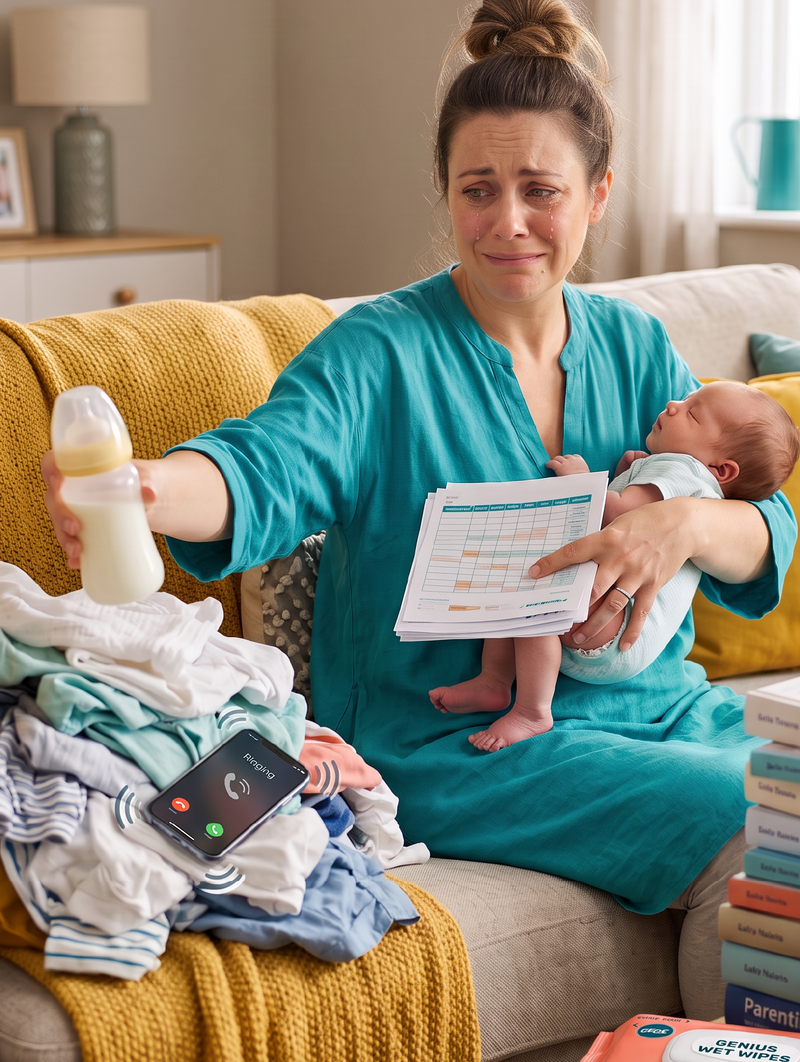
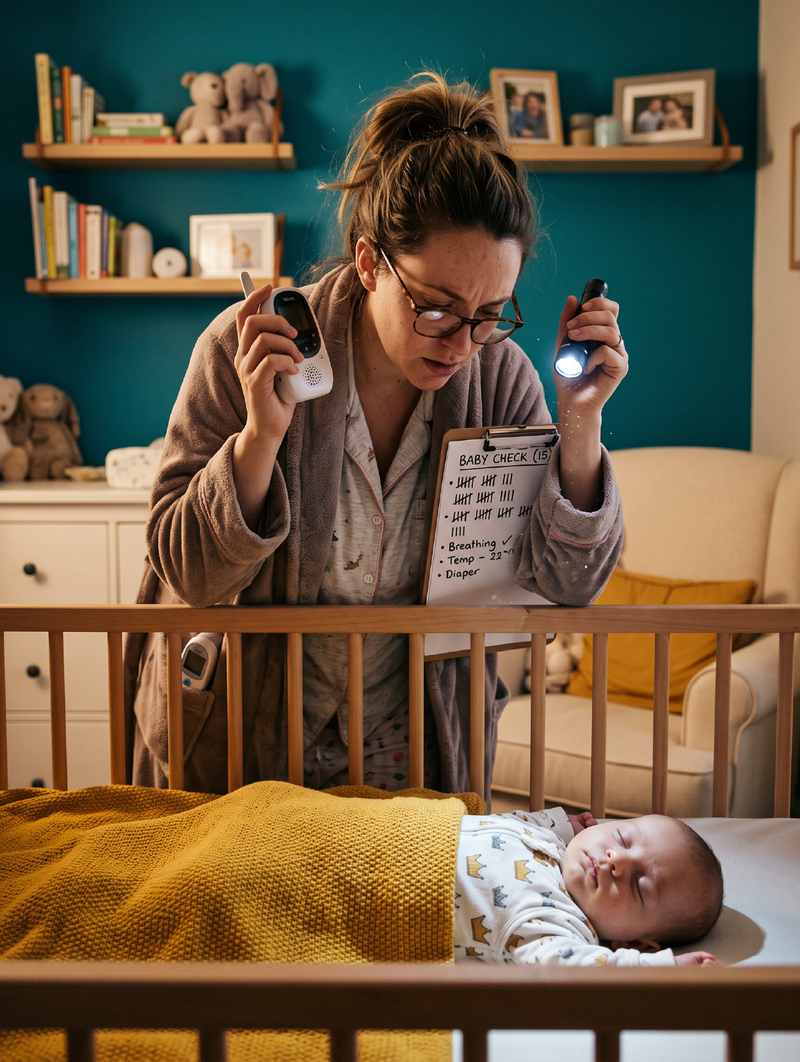
Quick answer: postnatal anxiety is a common and treatable condition where worry, fear or racing thoughts after birth become intense, persistent and hard to control. Some worry is normal for any new parent, but when it takes over your thoughts, stops you sleeping or relaxing, or comes with panic or frightening intrusive thoughts, that’s worth support. It is nobody’s fault, and it responds well to help.

Postnatal Depression
10/Oct/2026
Postnatal Depression

Recognising the Signs, Finding Support, and Feeling Like Yourself Again

Quick answer: postnatal depression (also called postpartum depression) is a common and treatable condition that can develop in the weeks or months after birth. It’s more than the baby blues, low mood, anxiety, exhaustion or a sense of disconnection that lasts beyond two weeks and affects daily life. It is nobody’s fault and no reflection of your love as a parent. With the right support, the vast majority of people recover, and reaching out early helps.

The Baby Blues
06/Oct/2026
The Baby Blues

Why You Feel So Emotional in the First Days — and When It’s More

Quick answer: the baby blues are a very common, short-lived wave of tearfulness, mood swings and feeling overwhelmed in the first days after birth, usually peaking around day three to five and settling on their own within about two weeks. They’re linked to the huge hormonal drop after birth. If low mood, anxiety or hopelessness lasts longer, deepens, or affects daily life, that may be postnatal depression or anxiety, which are treatable, and reaching out is the right thing to do.

Sex After Birth
03/Oct/2026
Sex After Birth

When It’s Safe, What to Expect, and How to Feel Ready Again

Quick answer: there’s no fixed date for resuming sex after birth, many providers suggest waiting until bleeding has stopped and any tears or wounds have healed, often around six weeks, and, just as importantly, until you feel physically and emotionally ready. Dryness, changed libido and some anxiety are all common. Take it slowly, communicate, and don’t forget contraception, you can conceive again before your first period.