


SIA Geberry ir noslēdzis 29.09.2022. līgumu Nr. SKV-L-2022/433 ar Latvijas investīcijas un attīstības aģentūru par atbalsta saņemšanu pasākuma “Starptautiskā konkurētspējas veicināšana” ietvaros ko līdzfinansē Eiropas Reģionālās attīstības fonds

Cart
Your cart is empty
SIA Geberry ir noslēdzis 29.09.2022. līgumu Nr. SKV-L-2022/433 ar Latvijas investīcijas un attīstības aģentūru par atbalsta saņemšanu pasākuma “Starptautiskā konkurētspējas veicināšana” ietvaros ko līdzfinansē Eiropas Reģionālās attīstības fonds

Understanding the Postpartum Tummy Gap - and How to Heal It
Quick answer: diastasis recti is a common, usually harmless separation of the tummy muscles that develops as they stretch to make room for your baby. For many women it narrows on its own in the months after birth, and gentle, targeted exercises help. Avoid movements that strain and bulge the belly early on, and see a women’s health physiotherapist if the gap is wide, isn’t improving, or comes with symptoms.

Rebuilding Strength, Comfort, and Confidence
Quick answer: the pelvic floor works hard through pregnancy and birth, so some weakness, leaking or heaviness afterwards is common, and, with gentle, consistent exercises, it usually improves over the following weeks and months. You can start pelvic floor exercises soon after birth when comfortable. Persistent leakage, heaviness or a dragging sensation is treatable, so ask about a women’s health physiotherapist rather than putting up with it.

Why It Happens, When It Stops, and How to Care for Your Hair
Quick answer: postpartum hair loss is extremely common and, for almost everyone, temporary. Pregnancy hormones kept you holding on to hair you’d normally shed; after birth your body catches up all at once. It usually peaks around three to four months postpartum and settles over the following months. Gentle hair care helps, and heavier or lasting loss is worth mentioning to your provider.
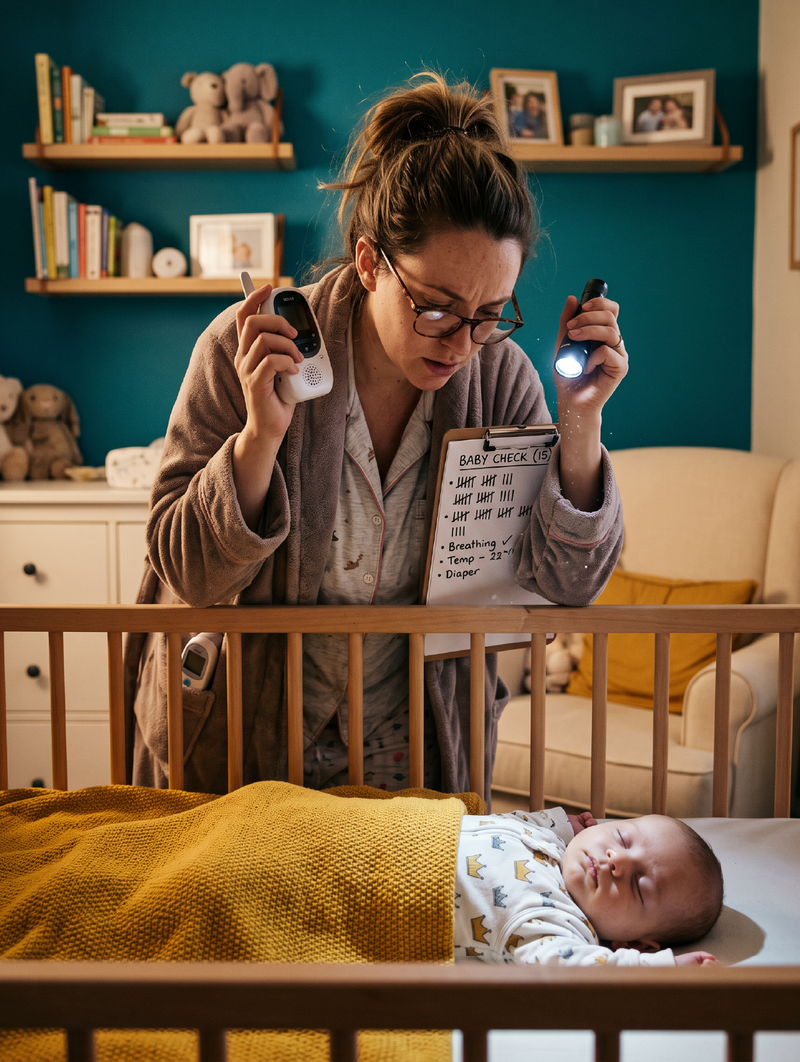
When Worry After Birth Becomes Too Much - and How to Feel Calmer
Quick answer: postnatal anxiety is a common and treatable condition where worry, fear or racing thoughts after birth become intense, persistent and hard to control. Some worry is normal for any new parent, but when it takes over your thoughts, stops you sleeping or relaxing, or comes with panic or frightening intrusive thoughts, that’s worth support. It is nobody’s fault, and it responds well to help.