The app used for assuring the GDPR/LGPD/CCPA-CPRA/VCDPA/APPI/PIPEDA compliance of this site, collects your IP and the email address in order to process the data. For more check Privacy Policy & Terms of Service

Data Rectification

You can use the link below to update your account data if it is not accurate.

Data Portability

You can use the links below to download all the data we store and use for a better experience in our store.

Access to Personal Data

You can use the link below to request a report which will contain all personal information that we store for you.

Do not Sell My Personal Information

You can submit a request to let us know that you do not agree for your personal information to be collected or sold.

Right to be Forgotten

Use this option if you want to remove your personal and other data from our store. Keep in mind that this process will delete your account, so you will no longer be able to access or use it anymore.

PARENTING CLUB
Your First Period After Birth
28/Oct/2026
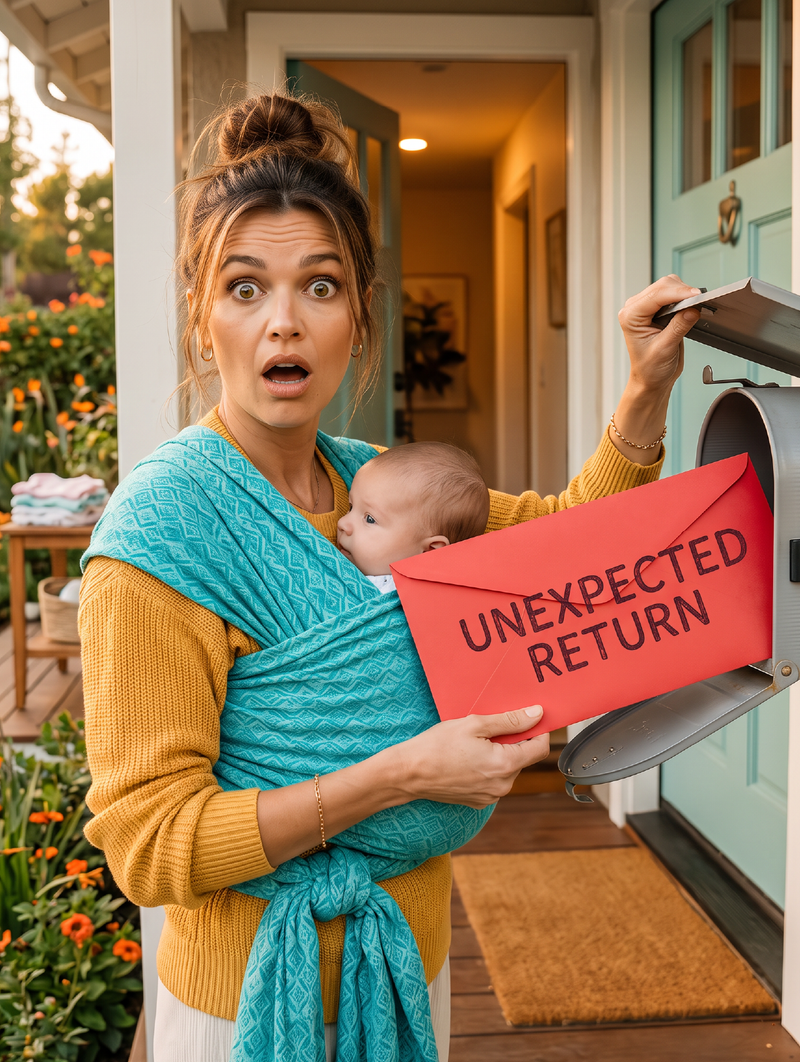
Your First Period After Birth

When It Returns, What’s Normal, and What to Expect

Quick answer: there’s no set date for your period returning after birth, it depends a lot on whether and how much you breastfeed. If you’re not breastfeeding it often comes back within about six to twelve weeks; exclusive breastfeeding can delay it for months. The first few periods may be heavier, lighter or irregular before settling. And remember: you can conceive before your first period, so contraception matters.

Diastasis Recti
24/Oct/2026
Diastasis Recti

Understanding the Postpartum Tummy Gap - and How to Heal It

Quick answer: diastasis recti is a common, usually harmless separation of the tummy muscles that develops as they stretch to make room for your baby. For many women it narrows on its own in the months after birth, and gentle, targeted exercises help. Avoid movements that strain and bulge the belly early on, and see a women’s health physiotherapist if the gap is wide, isn’t improving, or comes with symptoms.

Pelvic Floor Recovery After Birth
20/Oct/2026
Pelvic Floor Recovery After Birth

Rebuilding Strength, Comfort, and Confidence

Quick answer: the pelvic floor works hard through pregnancy and birth, so some weakness, leaking or heaviness afterwards is common, and, with gentle, consistent exercises, it usually improves over the following weeks and months. You can start pelvic floor exercises soon after birth when comfortable. Persistent leakage, heaviness or a dragging sensation is treatable, so ask about a women’s health physiotherapist rather than putting up with it.

Postpartum Hair Loss
17/Oct/2026
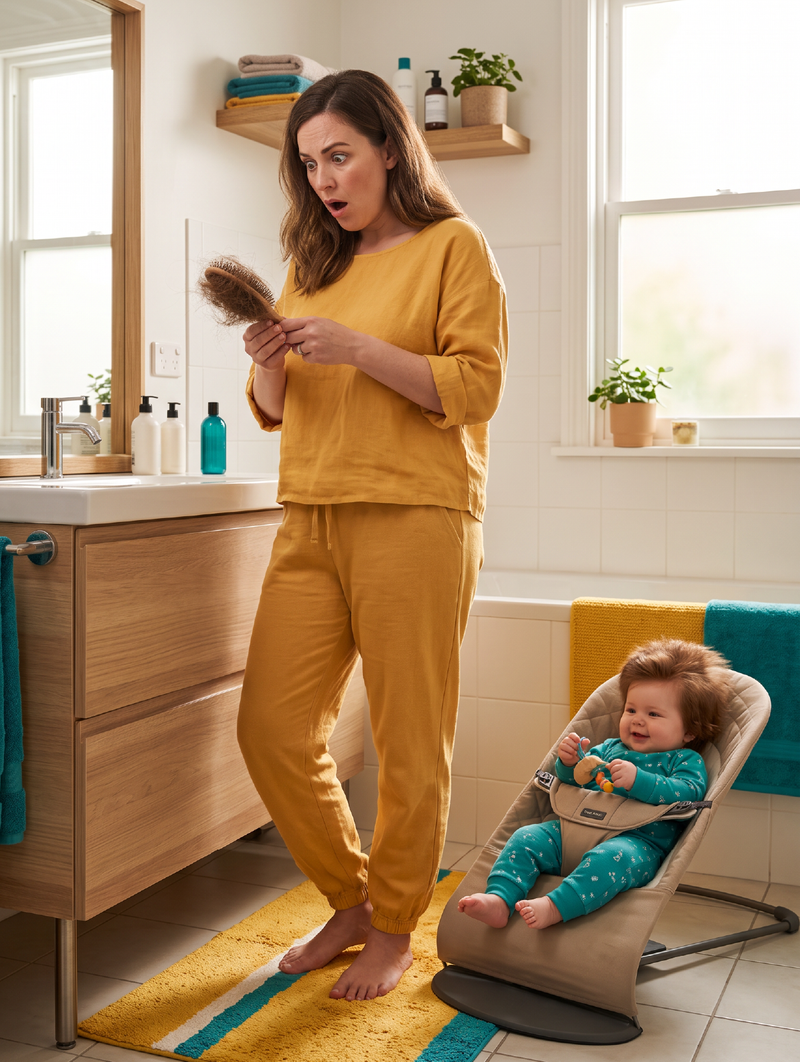
Postpartum Hair Loss

Why It Happens, When It Stops, and How to Care for Your Hair

Quick answer: postpartum hair loss is extremely common and, for almost everyone, temporary. Pregnancy hormones kept you holding on to hair you’d normally shed; after birth your body catches up all at once. It usually peaks around three to four months postpartum and settles over the following months. Gentle hair care helps, and heavier or lasting loss is worth mentioning to your provider.