
The app used for assuring the GDPR/LGPD/CCPA-CPRA/VCDPA/APPI/PIPEDA compliance of this site, collects your IP and the email address in order to process the data. For more check Privacy Policy & Terms of Service

Datakorrigering

Du kan använda länken nedan för att uppdatera dina kontouppgifter om de inte är korrekta.

Dataportabilitet

Du kan använda länkarna nedan för att ladda ner all data vi lagrar och använder för att ge dig en bättre upplevelse i vår butik.

Tillgång till personuppgifter

Du kan använda länken nedan för att begära en rapport som innehåller all personlig information vi lagrar om dig.

Sälj inte mina personuppgifter

Du kan skicka in en begäran för att meddela oss att du inte samtycker till att dina personuppgifter samlas in eller säljs.

Rätt att bli bortglömd

Använd det här alternativet om du vill ta bort dina personliga och andra uppgifter från vår butik. Tänk på att denna process raderar ditt konto, så du kommer inte längre kunna komma åt eller använda det.
PARENTING CLUB
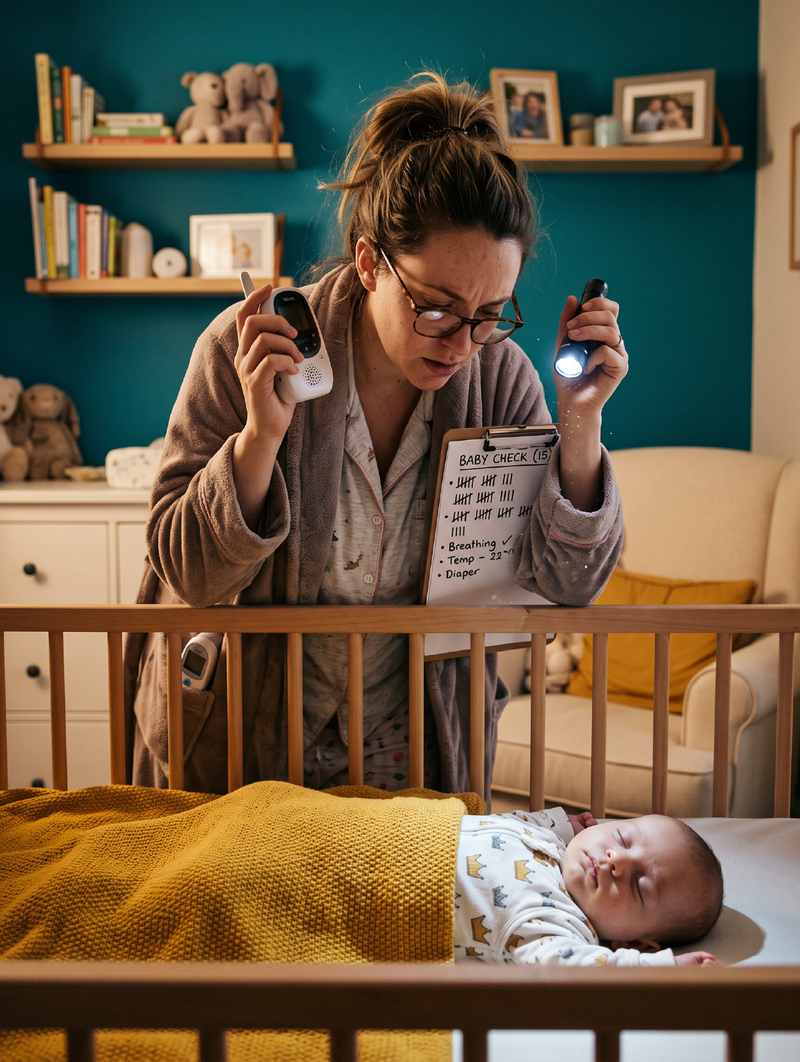
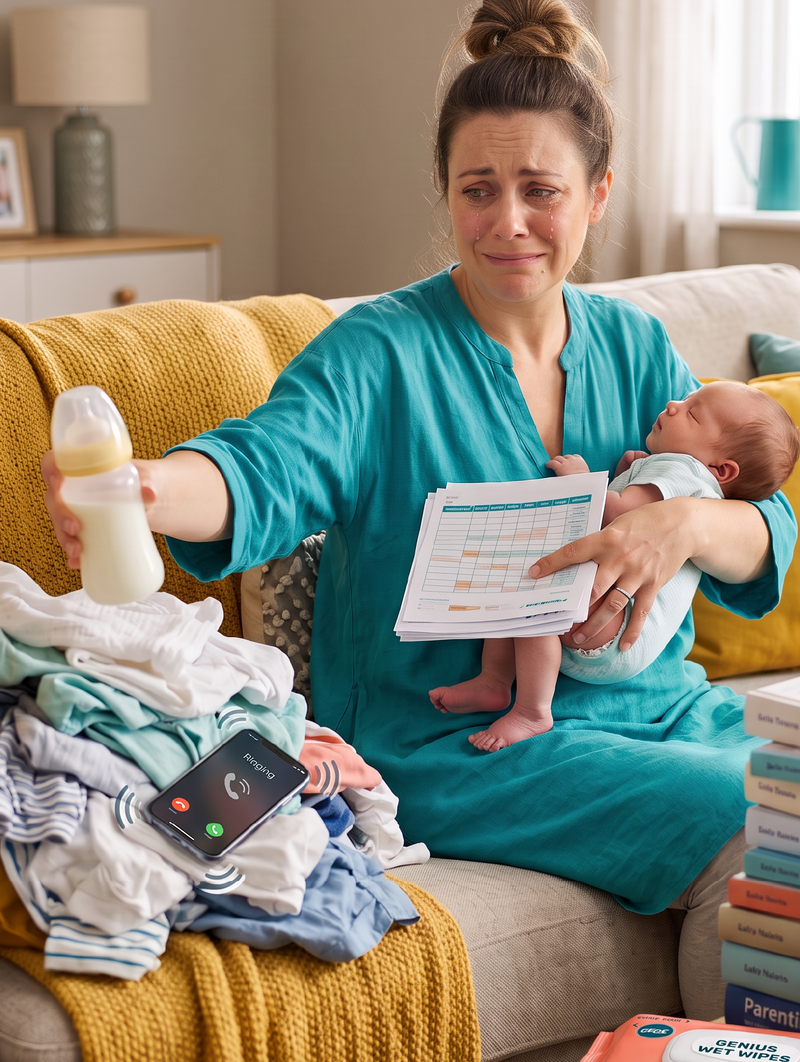
The First 6 Weeks After Birth
18/Sep/2026
The First 6 Weeks After Birth

Recovering, Healing, and Adjusting in the Fourth Trimester

Quick answer: the first six weeks after birth, often called the fourth trimester, are a time of huge physical healing and emotional adjustment. Bleeding, cramping, a healing perineum or C-section wound, tender breasts, mood swings and deep exhaustion are all common and usually normal. Recovery takes time, help is essential rather than optional, and some symptoms, heavy bleeding, fever, severe pain, or distressing thoughts about yourself or your baby, need prompt medical attention.

Preparing for Birth
14/Sep/2026
Preparing for Birth

A Calm, Practical Guide to Labour, Your Birth Plan, and What to Pack

Quick answer: you can’t control exactly how your birth unfolds, but preparing well can help you feel calmer and more confident. That usually means understanding the stages and signs of labour, writing a flexible birth plan, packing your bag in good time, and knowing when to head to hospital or your birth centre. Above all, birth rarely goes exactly to plan, and staying flexible is part of a positive experience.

Sleep During Pregnancy
11/Sep/2026
Sleep During Pregnancy

Best Positions, Common Challenges, and How to Rest More Comfortably

Quick answer: disrupted sleep is one of the most common parts of pregnancy, and it doesn’t mean anything is wrong. From the second trimester onward, sleeping on your side, many guidelines suggest the left where it’s comfortable, is generally recommended, supported by pillows between your knees and under your bump. Most sleep changes are normal, but heavy snoring, severe swelling, or sleep that leaves you exhausted and low are worth raising with your provider.

Pelvic Pain During Pregnancy
07/Sep/2026
Pelvic Pain During Pregnancy

Understanding the Causes, Finding Relief, and Knowing When to Seek Help

Quick answer: pelvic pain is common in pregnancy, and it’s often simply your body preparing for birth. Hormonal changes, stretching ligaments, shifting posture and increased pressure on the pelvis can all play a part. Most pelvic pain isn’t dangerous — but severe pain, fever, bleeding, or pain with contractions should always be assessed by a healthcare provider.