• 1 Absorberande kärna

    • Blöjkärnan består av absorberande material – en blandning av fluffmassa (cellulosafiber från trä) och superabsorberande polymerer SAP (polyakrylat).

    • Detta gör att vätskan kapslas in och att barnets hud förblir torr.
  • 2 Absorptionslager

    • Ett nonwoven- eller cellulosalager fördelar snabbt vätskan över blöjans kärna för jämn absorption.
    • Anatomiskt utformad för både pojkar och flickor för att ge en skön nattsömn upp till 12 timmar utan läckage.
  • 3 Stretchiga sidotejper

    • Elastiska tejper kan enkelt justeras för bättre passform och för att hålla blöjan på plats och ge en bekväm känsla.
  • 4 Mjukt ytterlager

    • Andas och är läckagesäker
    • Mjukt och behagligt att ta på
    • Färgglada och inspirerande mönster som uppmuntrar barnets kreativitet
  • 5 Hudvänligt innerlager

    • Dermatologiskt testad hudvänlighet
    • Oeko-Tex-certifierad för extra säkerhet för känslig babyhud. Fri från elementärt klor
    • Inget bly eller tungmetaller i vårt tryck
    • Fri från naturgummi
    • 0% PEG-emulgeringsmedel
    • 0% Parfym
    • 0% Lotion
  • 6 Läckageskydd vid benen

    • Elastiskt material runt benen ger en bekväm passform och skyddar mot läckage.
    • Dra alltid ut de elastiska kanterna när blöjan sitter på.
PARENTING CLUB
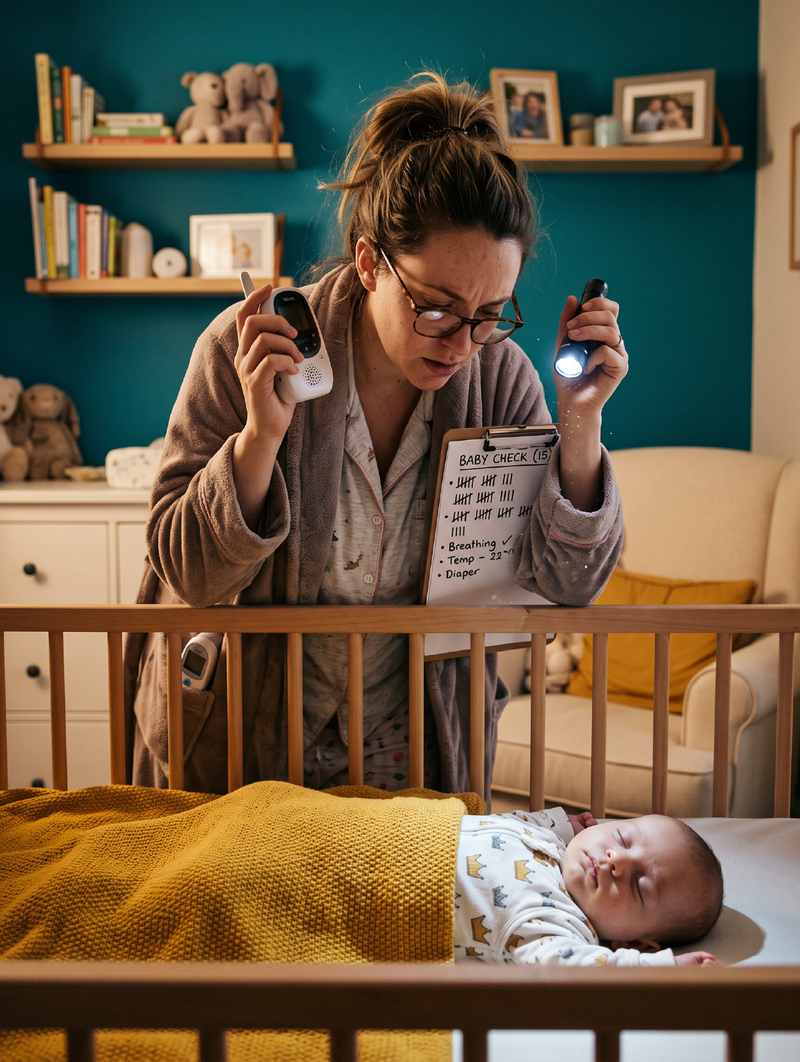
Postnatal Anxiety
13/Oct/2026
Postnatal Anxiety

When Worry After Birth Becomes Too Much - and How to Feel Calmer

Quick answer: postnatal anxiety is a common and treatable condition where worry, fear or racing thoughts after birth become intense, persistent and hard to control. Some worry is normal for any new parent, but when it takes over your thoughts, stops you sleeping or relaxing, or comes with panic or frightening intrusive thoughts, that’s worth support. It is nobody’s fault, and it responds well to help.

Postnatal Depression
10/Oct/2026
Postnatal Depression

Recognising the Signs, Finding Support, and Feeling Like Yourself Again

Quick answer: postnatal depression (also called postpartum depression) is a common and treatable condition that can develop in the weeks or months after birth. It’s more than the baby blues, low mood, anxiety, exhaustion or a sense of disconnection that lasts beyond two weeks and affects daily life. It is nobody’s fault and no reflection of your love as a parent. With the right support, the vast majority of people recover, and reaching out early helps.

The Baby Blues
06/Oct/2026
The Baby Blues

Why You Feel So Emotional in the First Days — and When It’s More

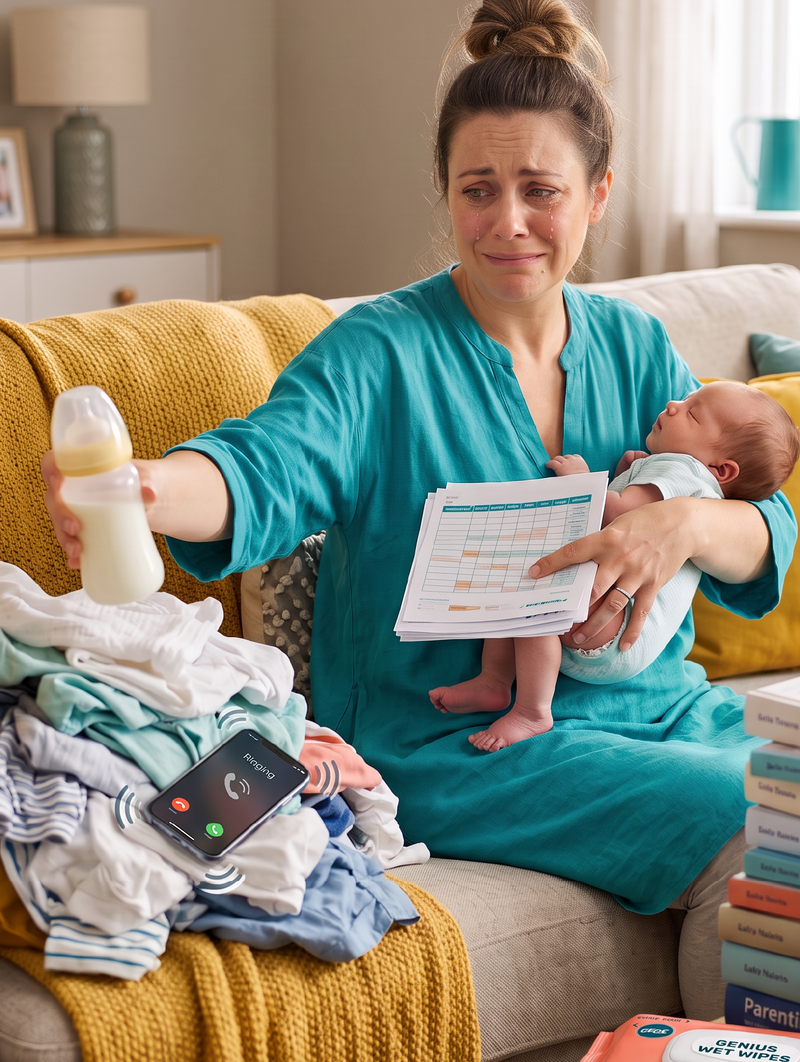
Quick answer: the baby blues are a very common, short-lived wave of tearfulness, mood swings and feeling overwhelmed in the first days after birth, usually peaking around day three to five and settling on their own within about two weeks. They’re linked to the huge hormonal drop after birth. If low mood, anxiety or hopelessness lasts longer, deepens, or affects daily life, that may be postnatal depression or anxiety, which are treatable, and reaching out is the right thing to do.

Sex After Birth
03/Oct/2026
Sex After Birth

When It’s Safe, What to Expect, and How to Feel Ready Again

Quick answer: there’s no fixed date for resuming sex after birth, many providers suggest waiting until bleeding has stopped and any tears or wounds have healed, often around six weeks, and, just as importantly, until you feel physically and emotionally ready. Dryness, changed libido and some anxiety are all common. Take it slowly, communicate, and don’t forget contraception, you can conceive again before your first period.