


SIA Geberry ir noslēdzis 29.09.2022. līgumu Nr. SKV-L-2022/433 ar Latvijas investīcijas un attīstības aģentūru par atbalsta saņemšanu pasākuma “Starptautiskā konkurētspējas veicināšana” ietvaros ko līdzfinansē Eiropas Reģionālās attīstības fonds

Cart
Your cart is empty
SIA Geberry ir noslēdzis 29.09.2022. līgumu Nr. SKV-L-2022/433 ar Latvijas investīcijas un attīstības aģentūru par atbalsta saņemšanu pasākuma “Starptautiskā konkurētspējas veicināšana” ietvaros ko līdzfinansē Eiropas Reģionālās attīstības fonds
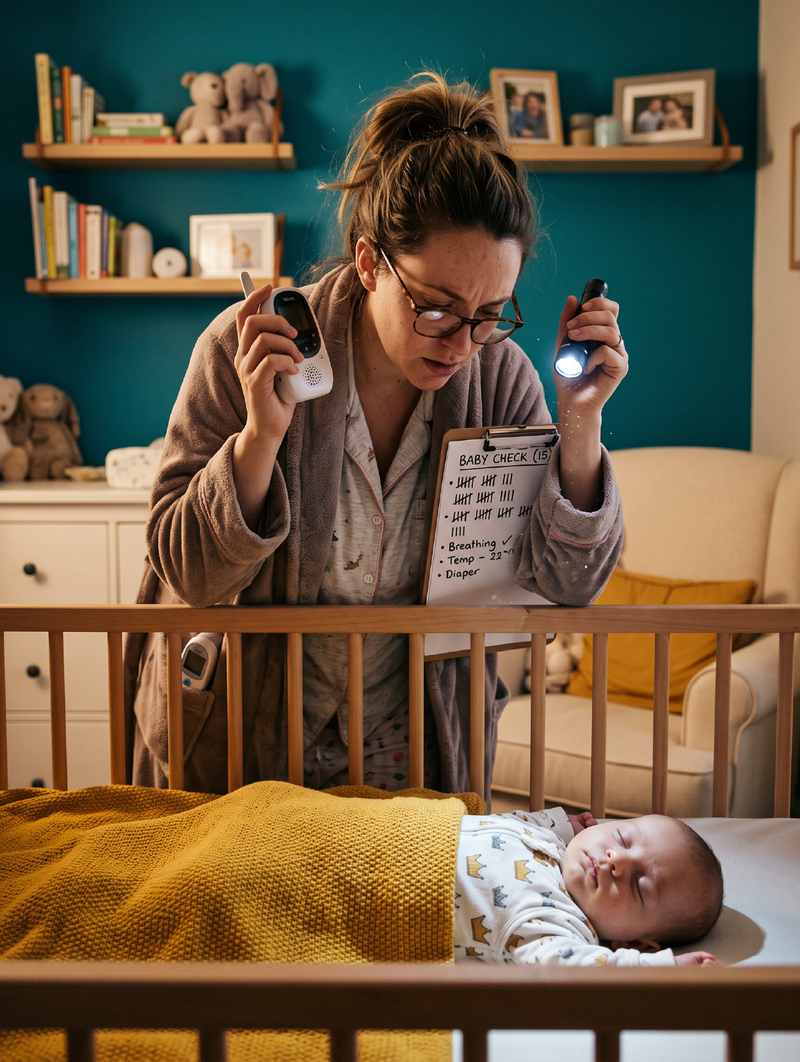
When Worry After Birth Becomes Too Much - and How to Feel Calmer
Quick answer: postnatal anxiety is a common and treatable condition where worry, fear or racing thoughts after birth become intense, persistent and hard to control. Some worry is normal for any new parent, but when it takes over your thoughts, stops you sleeping or relaxing, or comes with panic or frightening intrusive thoughts, that’s worth support. It is nobody’s fault, and it responds well to help.
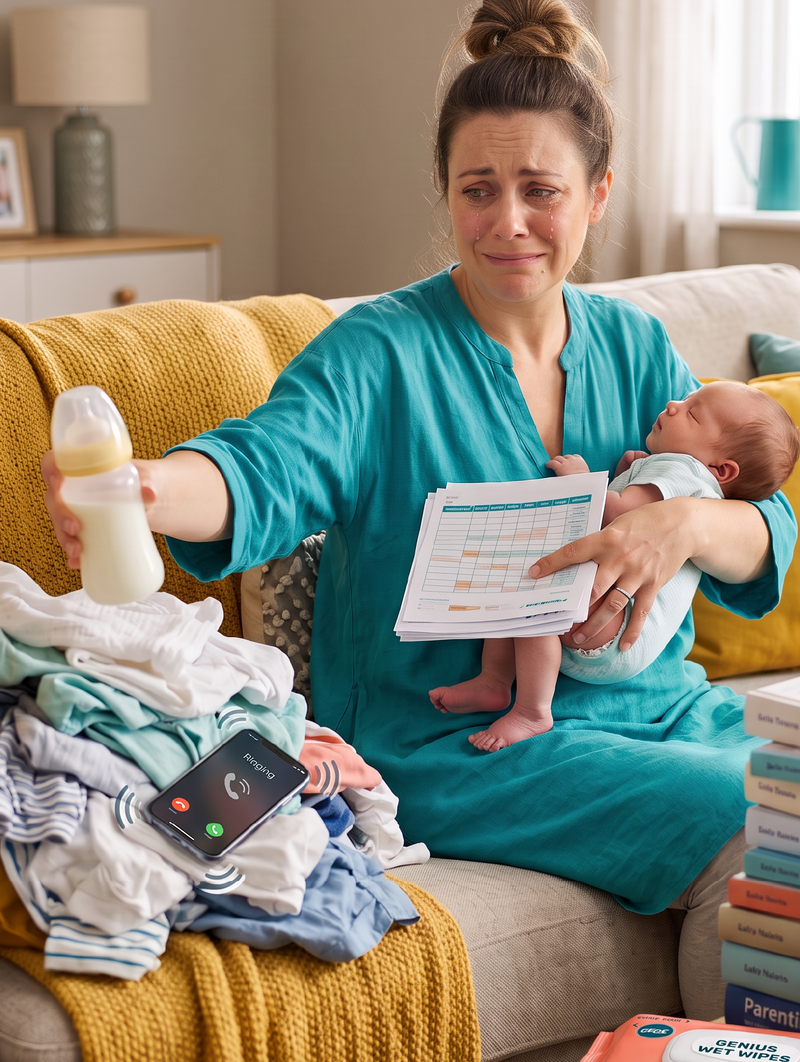
Recognising the Signs, Finding Support, and Feeling Like Yourself Again
Quick answer: postnatal depression (also called postpartum depression) is a common and treatable condition that can develop in the weeks or months after birth. It’s more than the baby blues, low mood, anxiety, exhaustion or a sense of disconnection that lasts beyond two weeks and affects daily life. It is nobody’s fault and no reflection of your love as a parent. With the right support, the vast majority of people recover, and reaching out early helps.

Why You Feel So Emotional in the First Days — and When It’s More
Quick answer: the baby blues are a very common, short-lived wave of tearfulness, mood swings and feeling overwhelmed in the first days after birth, usually peaking around day three to five and settling on their own within about two weeks. They’re linked to the huge hormonal drop after birth. If low mood, anxiety or hopelessness lasts longer, deepens, or affects daily life, that may be postnatal depression or anxiety, which are treatable, and reaching out is the right thing to do.

When It’s Safe, What to Expect, and How to Feel Ready Again
Quick answer: there’s no fixed date for resuming sex after birth, many providers suggest waiting until bleeding has stopped and any tears or wounds have healed, often around six weeks, and, just as importantly, until you feel physically and emotionally ready. Dryness, changed libido and some anxiety are all common. Take it slowly, communicate, and don’t forget contraception, you can conceive again before your first period.